
Emergency Roof Repair
Water entering a room can make every decision feel immediate. For an emergency roof repair request in Macon, start by stating what is happening now: active dripping, visible damage, or a concern that has changed suddenly. The word emergency describes the urgency of your concern. It does not establish a confirmed appointment, a particular arrival time, or a repair that can be selected without examining the roof.
Use appropriate emergency assistance for an immediate threat to people and follow official safety instructions. A roofing request is a way to explain a property problem and arrange the next discussion. Do not wait beside a damaged-looking ceiling or go onto the roof in order to supply more detail. An honest description from a safe place is enough to begin, including the fact that you cannot see the affected roof area.
Keep people and the affected room in mind
Describe which room is involved and whether water is still coming in. If you have had to stop using part of the home, say so. Include any known access restrictions without entering a space that concerns you. This helps distinguish a fresh roof opening, recurring water entry, and an uncertain ceiling mark without requiring you to diagnose any of them.
For the initial message, practical detail is more useful than an urgent label alone. Write down when the problem started, what you can currently observe, and whether a previous repair or temporary measure is involved. If several people are coordinating access, identify who should discuss the next step. You do not need to submit a separate technical report, climb a ladder, or gather material from an unsafe location before making contact.
Ask what the next assessment can establish
An urgent assessment should still produce an understandable explanation. Ask which part of the roof can be examined under the conditions at the time and what may need a later check. It is reasonable to ask how an immediate recommendation relates to the observed problem. If the cause remains uncertain, the uncertainty should remain visible in the conversation rather than disappearing behind a generic repair description.
The Macon area includes established neighborhoods such as Ingleside and Vineville, but the location alone does not establish which roofing method is suitable. Explain the building feature involved if you know it: a porch, an addition, the main roof, or a detail near a chimney. You can consult the overview of roofing concerns when several issues overlap. For an urgent request, put the current condition first and leave less immediate background for the following sentences.
Understand the purpose of temporary protection
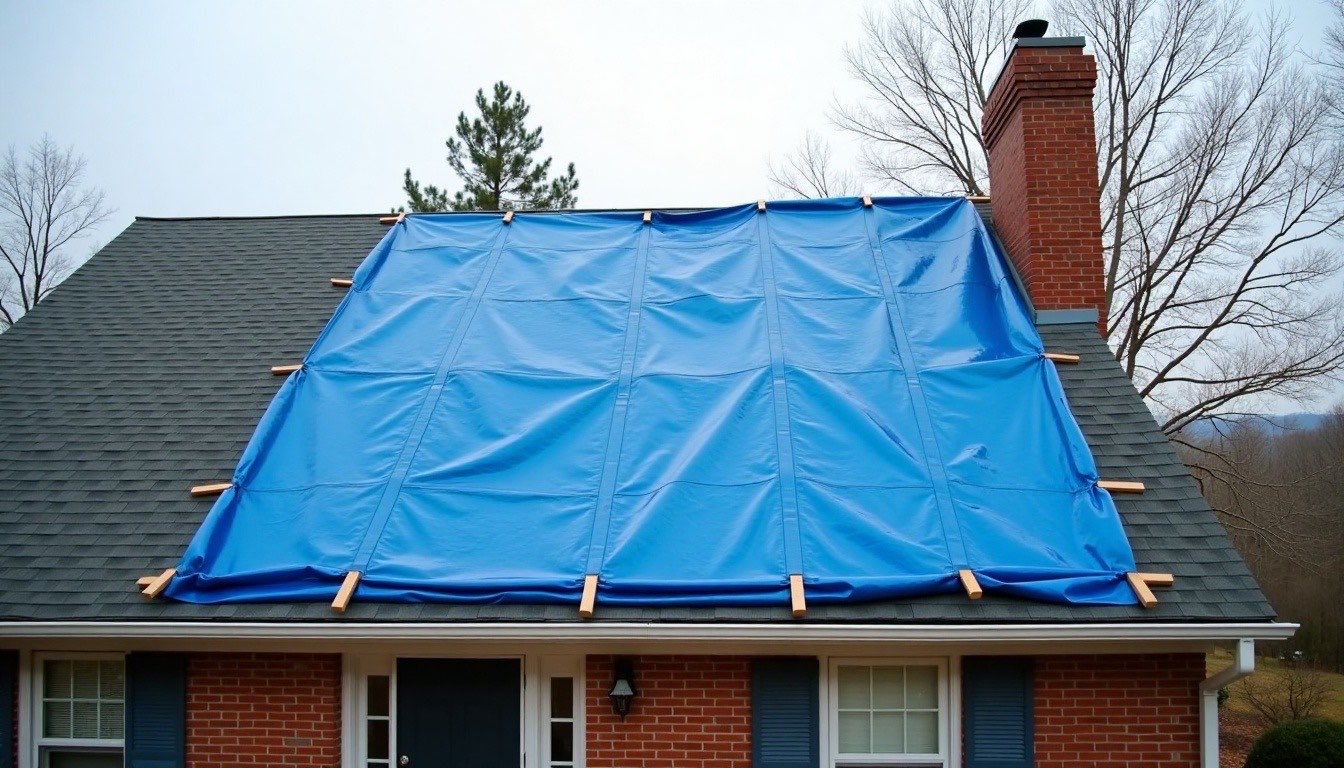
If temporary protection is proposed, ask precisely what it is intended to do and what work remains afterward. Request a distinction between the first measure and a permanent repair. Ask how follow-up will be discussed and whether a further assessment is needed before the lasting scope can be defined. You should be able to explain the purpose of the proposed step in ordinary language.
Do not assume a temporary measure carries the same scope, materials, or expectations as a completed repair. Discuss any limitations stated in the proposal and keep a note of them for the next conversation. If the recommendation changes after further examination, ask what new finding prompted the change. This is especially useful when the original request was made during a stressful moment and the first concern was simply getting the problem described clearly.
Keep the description of any first-stage work for the later repair discussion. Ask whether the permanent proposal includes removing or replacing that temporary measure, and whether the two stages are quoted separately. If a different person will review the permanent scope, make sure they receive the earlier notes. This avoids leaving the next decision dependent on someone remembering an urgent conversation rather than reviewing what was actually proposed and agreed at each stage.
Plan permanent work around the findings
Once an assessment supports a permanent recommendation, ask where the work begins and ends. Does it concern one roof detail, part of the covering, or a larger section? Which materials are proposed, and what condition is each part of the job meant to address? Those questions can help you review the plan without deciding in advance that a small patch or a full replacement is the only possible answer.
Also clarify what is outside the roofing scope. An affected room may raise separate questions about ceilings, finishes, or other property work; bring them up rather than assuming they are included. Ask how additional discoveries would be documented and reviewed before the agreed work changes. The right point to settle these boundaries is before authorization, with a written description you can revisit after the urgency of the first request has passed.
Prepare an urgent request that can be reviewed
A free quote needs a usable description of the job, including the affected area and the access information available at the time. Ask about the extent of work, materials, and whether a proposed temporary stage is separate from a later repair. Avoid comparing estimates only by their totals when the scopes describe different stages or leave different items unresolved. Your initial message can simply ask for those distinctions to be explained. To open a request about active water entry, provide your name, phone, optional address, and a message. Include the community and the current problem, then the date it began and any relevant earlier work. State if an important detail is unknown. Appointments confirmed after your request is reviewed. The form does not confirm attendance or establish operating hours; keep your plans based on the arrangements actually confirmed with you rather than an assumed response window.