
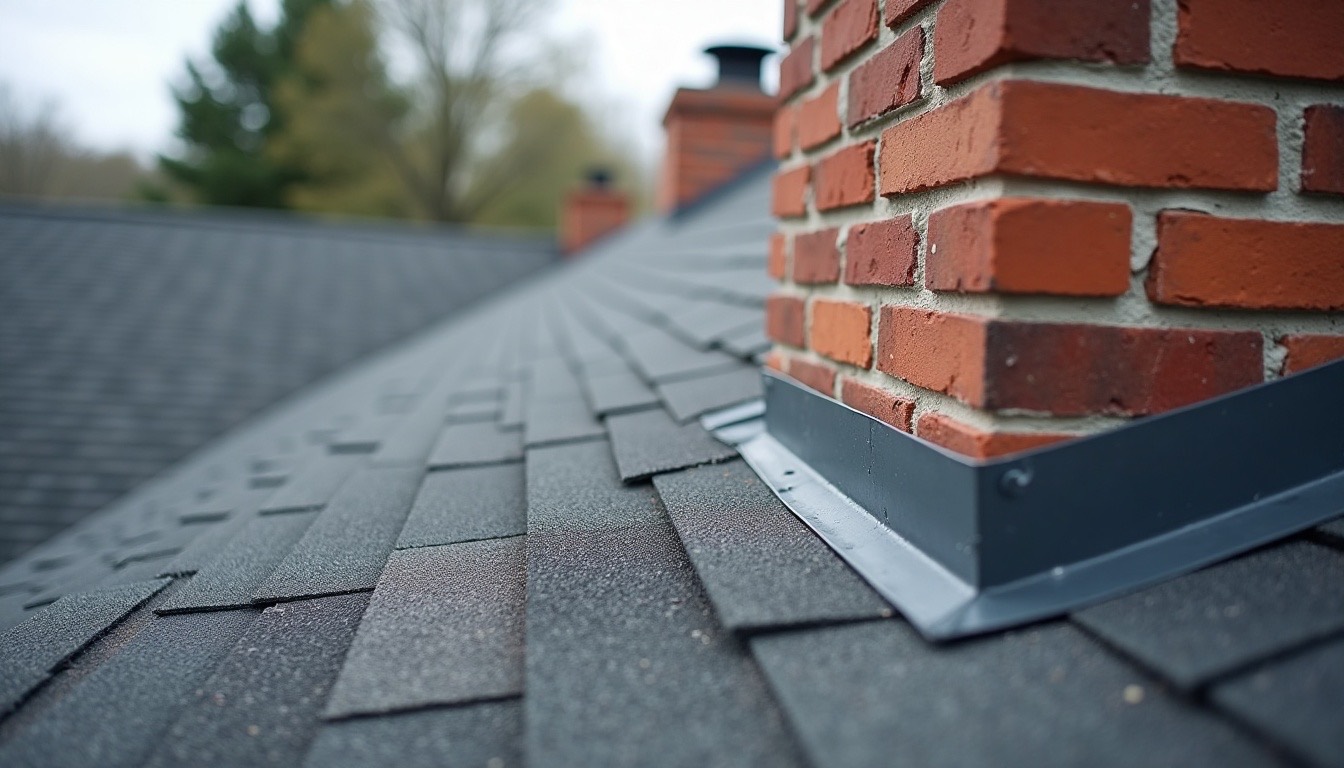
Roof Leak Repair
The important detail about a roof leak is often its history. Did the first mark appear yesterday, has the same spot returned, or is water entering a room that stayed dry before? For roof leak repair in Macon, begin with that sequence. A request that explains the change gives the assessment a more useful starting point than a guess about which product needs replacing.
You can describe a damp patch, a drip, or a discolored surface without naming the cause. Keep what you saw separate from what someone suggested might be wrong. If you have paperwork from an earlier repair, note its date and the area it covered. There is no need to climb into a difficult space or onto the roof to supply missing details. The assessment should establish what needs checking and how it can be checked safely.
Follow the evidence, then choose the work
Ask how the proposed inspection will relate the affected room to the roof above it. Which details will be checked, and what evidence would support the explanation? A ceiling mark alone should not be treated as a complete repair specification. The useful result is a clear account of the suspected entry point, the relevant findings, and any uncertainty that still needs resolving.
Write down whether you noticed the problem during rain, afterward, or during dry weather. Include whether the appearance has changed since then. If several rooms are involved, identify them separately instead of describing the whole home as leaking. You can also mention an earlier patch or a change to the building, while making clear that you are providing background rather than diagnosing the source. These small distinctions help keep the discussion focused on the problem you actually need addressed.
If the leak seems intermittent, note the occasions when you checked and did not notice water as well as the occasions when you did. Do not treat that pattern as proof of a cause. Give it as background and ask whether it changes what needs to be examined. This is particularly useful when explaining why a problem that is not visible today still needs attention.
Ask about the roof details involved
Roof coverings, underlayment, and decking are different parts of a roof assembly. A repair conversation should make clear which part is involved in the recommendation. If someone refers to a valley, vent, or flashing, ask them to identify its location and explain its relevance to the leak. You should not have to accept an unfamiliar term as the entire justification for work.
For a Macon home, including one in Vineville or Ingleside, the neighborhood name can help identify the property but cannot establish its roof condition. Ask about the particular roof section involved: the main slope, an addition, a porch junction, or another feature. If your concern extends beyond a water-entry problem, the different repair starting points can help you frame the additional questions. Keep the leak history in your request even when another concern seems more visible outside.
Define a repair you can review
A useful scope identifies the part of the roof to be opened or repaired, the intended materials, and the boundaries of the work. Ask what condition the repair is meant to correct. If the proposal includes replacing surrounding material, ask why that extent is needed. If it includes a temporary measure, ask how it relates to the permanent plan and what follow-up remains to be arranged.
Also ask what happens if the condition beneath the visible covering differs from the initial assessment. You want a clear point at which additional findings are explained and any change to the agreed work is reviewed. Do not assume interior decorating or other room repairs are included in a roofing proposal. Bring up the ceiling or wall damage separately so the written scope can distinguish roof work from any other work you may need to organize.
Compare scope before comparing totals
For a free quote, the useful size frame is the area and extent of repair, considered alongside materials and access. Ask whether the proposal covers a specific roof detail, part of a slope, or a broader section. A label such as minor leak gives you less information than a description of the location and work. There is no reliable site-wide price that can substitute for those details.
When reviewing options, compare like with like. Does each proposal address the same observed issue, include the same surrounding work, and explain its limits? Ask whether removal, replacement materials, and disposal are included where relevant. If the source has not been established, clarify whether the next step is further assessment rather than a defined repair. A careful question now is more useful than choosing an inexpensive-sounding patch whose purpose you cannot explain later.
Prepare the room information, not a diagnosis
Before requesting a visit, make a short note of the affected room, the approximate date the mark or drip first appeared, and what has changed. Mention any access restrictions you already know about. If you are not the person who can authorize property work, explain who will need to review the proposed scope. You can begin a request with these observations even when several details remain unknown. The form asks for your name, phone, optional address, and a message. Put the leak history and your Macon-area location in that message rather than trying to supply a technical diagnosis. Use the closing sentence to state your main question, such as whether an earlier repair needs reassessment or what is causing a newly affected room. Appointments confirmed after your request is reviewed. The first step is to establish the next conversation, with the repair method and scope left for an assessment of the actual roof.