
Metal Roof Repair
A metal roof request is easier to understand when it identifies the affected part of the building. Is your concern above the main living space, over a porch, or on an addition? Have you noticed a drip, a change at an edge, or something different around a roof opening? For metal roof repair in Macon, start there instead of choosing a coating, sealant, or replacement part before an assessment.
If you know the roofing product or have records from installation or earlier work, mention that in the message. If you do not know the system, say so. An ordinary description of the visible surface is enough for an initial request. Do not climb onto the roof to count fasteners or find a product label. Identification, condition, and the suitability of any proposed material are subjects to resolve during the repair discussion.
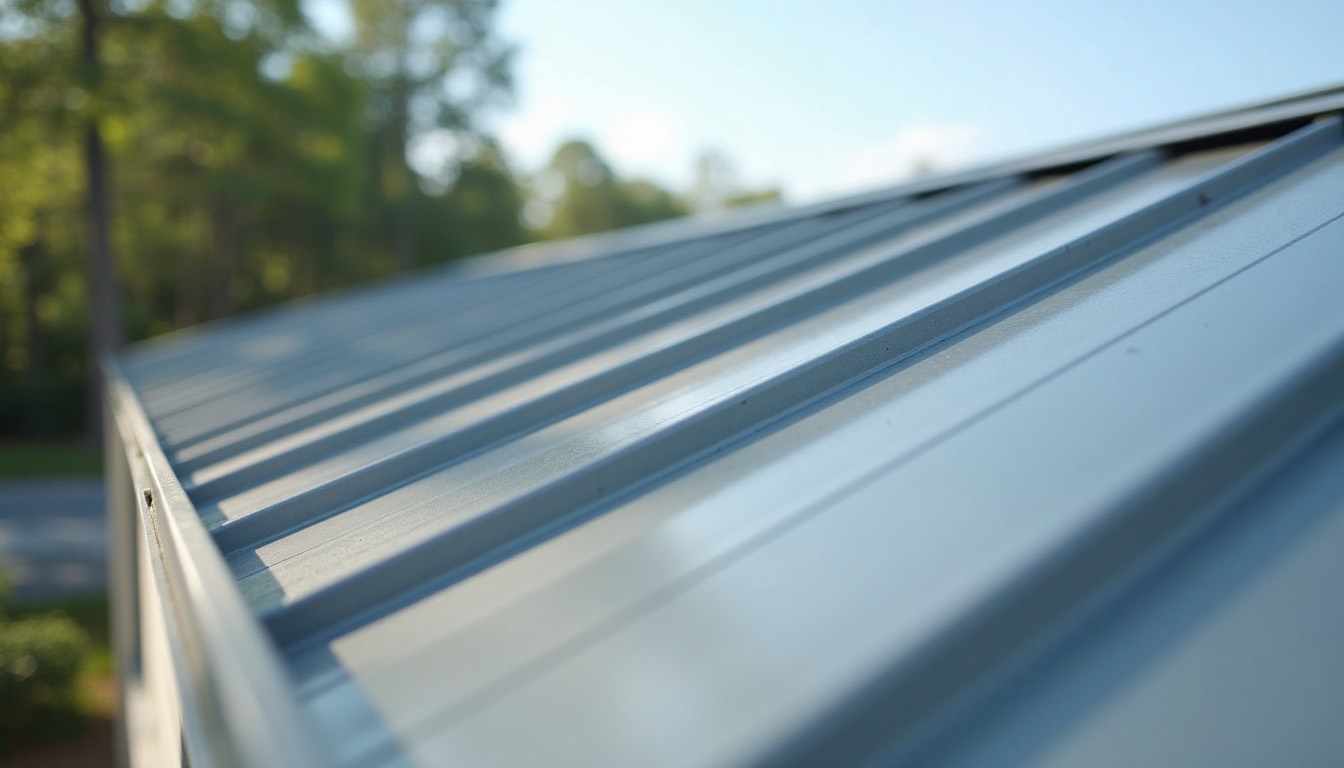
Put seams and fasteners into the conversation
Ask whether seams, visible fasteners, edges, or a roof penetration are relevant to the reported condition. The answer should connect the detail being examined with the actual concern. A proposal to work on many fasteners, for example, should explain the findings and the area involved rather than treating the presence of metal roofing as a diagnosis in itself.
Describe the limits of your own observations carefully. You may be able to see a raised-looking detail from the ground without knowing whether it is a defect. Include where it is and when you first noticed it. If an earlier repair covered the same area, mention what you know about that work. Keep paperwork available for discussion, but do not make a guessed product name or an assumed installation method the foundation of your request.
Ask how the system will be identified
Before agreeing to a repair method, ask how the existing roof system and material requirements will be established. If a recommendation refers to movement, panel attachment, or joints, ask what finding makes that issue relevant to your property. You should receive an explanation of the proposed approach that is more specific than simply applying more material to the area where water was noticed.
A practical question is whether the suggestion follows the requirements for the identified roofing product. Ask what information is available and what remains unknown. If a proposed product is described as compatible, request the basis for that statement. This approach keeps the decision tied to the actual roof rather than a broad claim that one method works on every metal surface. It also gives you a way to compare explanations from different proposals.
Link the symptom to the proposed repair
Tell the assessor whether the concern is visible outside, inside, or both. For a drip, describe the affected room and the history of the problem. For an exterior concern, describe the side of the building and the nearest feature you can identify safely. Ask how those observations will be checked against the condition of the roof, and what further investigation might be needed before work is specified.
Macon is in central Georgia, but that general location cannot determine the repair method for a particular metal roof. A proposal should reflect your building and the findings. If you are deciding where your concern fits among several roof problems, the available assessment categories provide a starting point. Keep the roofing type and the symptom together in the request so a material label does not replace the explanation of what has actually changed.
Review materials and boundaries together
For a proposed metal roof repair, request a clear description of the area involved and the materials to be used. Ask whether the work addresses a specific detail, a group of related details, or a larger section. If surrounding components are included, ask why they are part of the scope. If a coating or broad treatment is proposed, ask what condition it is intended to address and what preparatory work is included.
Compare proposals by those boundaries. One may concern a localized junction while another describes work over a much wider surface. Ask what each includes for access, preparation, removal where needed, and disposal. Clarify how any discovery that changes the planned work would be raised with you. A free quote is more useful when you can connect the described size and extent of work to the findings, rather than relying on a general label for the job.
Ask how the proposed work will be recorded for future reference. A description that identifies the roof section and the products specified is easier to discuss later than a note that only says the metal roof was repaired. Keep that information with earlier property records, distinguishing materials that were confirmed from details that remained unknown. It can make a later request more precise without requiring you to inspect the roof yourself.
Bring the roof history to the next step
A short history can include the approximate installation date if known, the date of a previous repair, and the first appearance of the current problem. Separate documented information from what you have been told informally. If the roof has more than one material or section, identify which part concerns you. You can ask for a review of the metal section without having every detail available or selecting a method yourself. The form has fields for your name, phone, optional address, and message. Use the message for the Macon-area community, the affected building section, and the issue you need explained. Mention a record or product name only if you already have it. Appointments confirmed after your request is reviewed. The next useful step is a confirmed discussion about assessment and scope, with any decision about materials left until the existing roof and the proposed repair have been properly explained.