
Storm Damage Roof Repair
After a storm, it is tempting to treat every unfamiliar mark as new damage. Begin instead with what changed: a roofing piece you found on the ground, an altered roof edge, or a room where you noticed water for the first time. A storm damage roof repair request in Macon should preserve those observations without turning them into a conclusion before an assessment.
Note the date you first noticed the issue and whether you remember the same detail from before the weather event. It is fine to be uncertain. You do not need to decide whether wind, rain, age, or a previous condition explains it. Ask for an examination that separates visible conditions from assumptions and describes which findings support the recommended work. That gives you a clearer basis for deciding what to authorize.
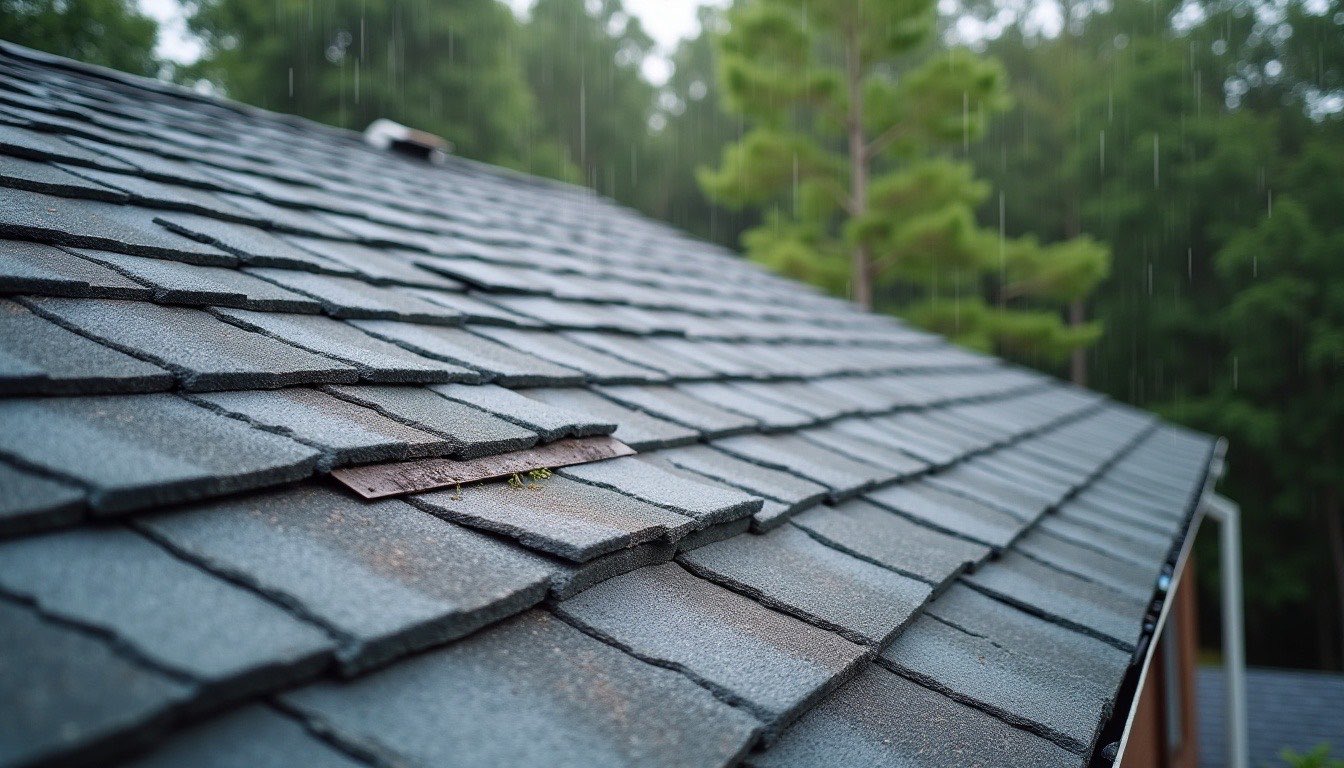
Make observations from a safe place
From a safe indoor or ground-level position, write down the side of the home that concerns you. Use a room, entrance, or building feature as a reference. If you noticed loose material outside, describe where you saw it without walking beneath a damaged-looking area to investigate. The purpose is to explain your concern, not to collect enough detail to replace a roof inspection.
Distinguish a visible change from a missing point of comparison. Saying that a section looks different from the rest is useful; saying that it was definitely damaged yesterday requires information you may not have. If water has entered, describe that separately and explain whether it is still happening. Where immediate danger is present, use appropriate emergency assistance and follow public safety instructions rather than waiting for a website request to be reviewed.
Agree on what will be examined
At the assessment stage, ask which roof sections and details can be checked and whether the affected interior area also needs to be discussed. The goal is an explanation that links the recommendation to the findings. Ask what is confirmed, what is suspected, and what cannot be established from the available access or observations. A clear limit is more helpful than a confident answer with no explanation.
In Macon-Bibb County, the property's own roof materials and condition should guide that discussion. The fact that a home is in Macon, or near an established neighborhood such as Vineville, is not evidence of storm damage. If you have concerns that do not fit the recent weather event, mention them too. You can compare how the repair categories differ before requesting help, but you do not need to select a cause yourself.
Separate immediate concerns from lasting repairs
Ask whether any proposed first step is temporary protection or part of the permanent repair. If temporary work is suggested, request an explanation of what it addresses, what it leaves unresolved, and how the next stage will be arranged. Do not assume that a temporary measure establishes the full extent of damage or replaces a later assessment of the roof.
For permanent work, ask for a scope that identifies the affected section, relevant materials, and any adjoining details included in the plan. If the proposal expands beyond the change you initially reported, ask what additional findings explain the larger area. If a replacement is discussed, request the reasons a more limited repair would not satisfy the findings. These questions help you compare the proposed work on its merits without relying on a dramatic description of the weather.
Keep records in a usable order
A simple chronology can make follow-up conversations easier. Note when you first saw the condition, what you observed, and any earlier work you know about. Keep assessment notes and proposed scopes with that chronology. If you are dealing with a property manager or insurer, ask them what records they need and how they want them provided. Do not assume a roofing assessment determines a separate organization's decision.
This site does not promise insurance approval or make a coverage decision. Treat any insurance discussion as a separate process with the relevant provider. Likewise, ask the appropriate authority about requirements for the actual scope under consideration rather than applying a rule you found for a different project. The repair request can state that you need documentation explained, without asking the person assessing the roof to guarantee an outcome outside the repair work.
When several people are involved in the property decision, keep a shared description of the observed changes and the proposed roof work. Ask who will explain the findings to the person responsible for authorization. If one account differs from another, preserve the distinction rather than combining them into a more definite story. A record can simply say who noticed a condition and when; it does not need to assign a cause that an assessment has not established.
Request a quote with defined boundaries
The size and extent of the affected area, the materials proposed, and the access arrangements are useful subjects for a quote discussion. Ask whether removal and disposal are included and how any additional findings would be handled. Review those details before treating two totals as comparable. A smaller scope and a more extensive scope can answer different questions, even when both are described as storm repairs. When you describe the changes after the weather event, include your name, phone, optional address, and a short account in the message box. State the community, the observed problem, and whether water is currently entering. Mention any earlier temporary work without assuming it resolved every issue. Appointments confirmed after your request is reviewed. Sending the form begins the request process; a confirmed visit, an assessed scope, and your decision about the proposed work are separate steps.