
Roofing Help for Gray Homes
Gray lies northeast of Macon and is included among the communities covered by this site's roofing information. For your property, begin with the building feature involved. A concern over an addition, a leak in a particular room, and an unfamiliar detail along a roof edge need different descriptions, even when each is initially called a roof problem.
You can make the request before you know the cause. Identify Gray in the message and explain what brought the issue to your attention. If you have been told a repair is needed but have not seen an explanation of the findings, say that too. The next conversation should help establish what can be examined and what information is needed before an appropriate scope is proposed.
Separate a symptom from its possible cause
Write down the first observation, then any later changes. A mark returning in the same room, for example, is a useful description without identifying which roofing detail is responsible. The guide to organizing the history of a recurring drip explains how to prepare that information. Keep an earlier repair date separate from the date you noticed the current issue.
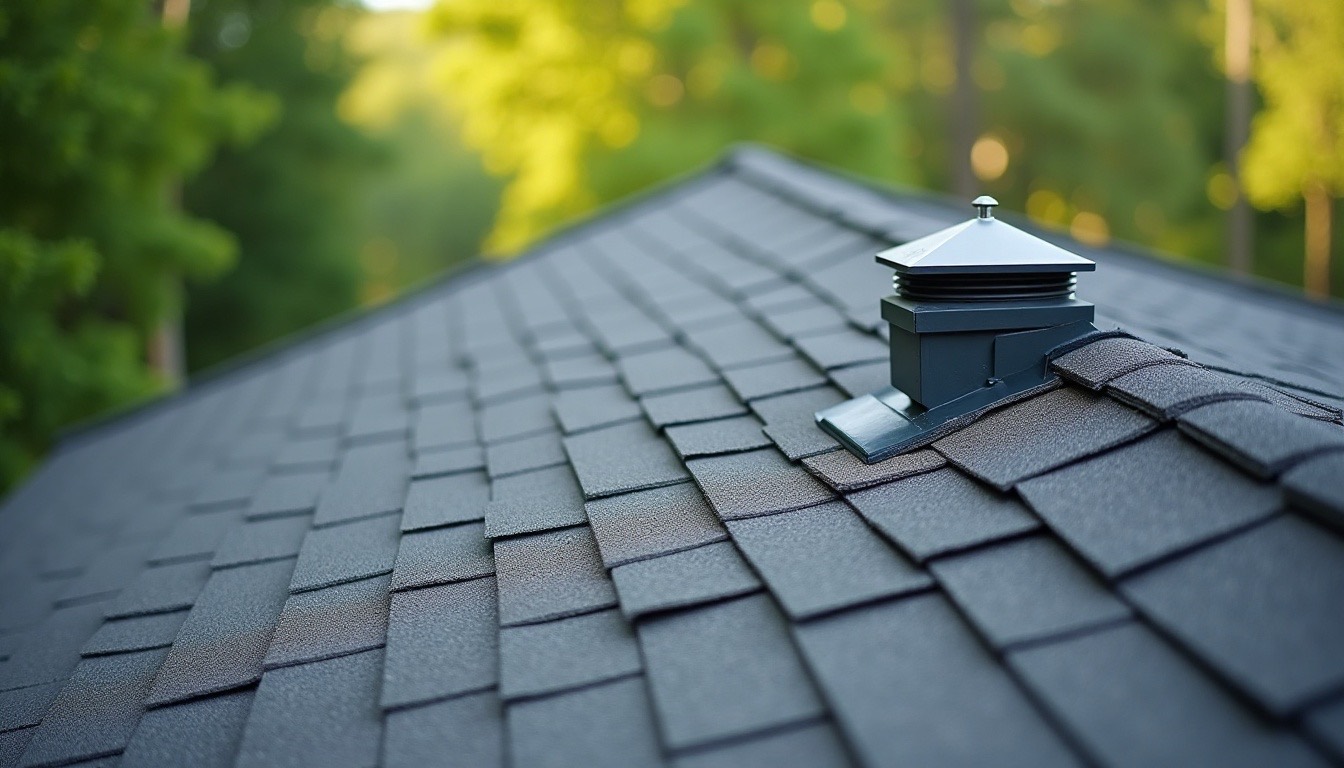
If the concern is outside, give a reference that can be understood from the ground, such as the side facing an entrance or the area above a porch. Do not climb onto the roof to determine whether a visible feature is defective. Ask how the relevant condition will be checked and what finding would connect it to your reported problem. A clear unanswered question is better than an unsupported diagnosis.
Describe the material only as far as you know
If you know the roof covering or have installation paperwork, mention it. If you are unsure, use everyday language and ask how it will be identified. A home may have different sections to discuss; indicate the one involved without assuming that the same repair method applies across the whole building.
For a metal section, questions about identifying the existing system can help frame the request. Ask what supports the proposed material choice and how compatibility will be established. You do not need to decide on sealants, replacement parts, or a broad treatment before an assessment. The recommendation should explain why its materials and extent fit the identified condition of that particular roof.
Set expectations for the assessment
Ask what access will be needed and whether the affected room should be part of the discussion. Explain any access restriction you already know about. Request a distinction between confirmed findings, suspected issues, and matters that require further investigation. This gives you a better basis for reviewing work than a recommendation that leaves its reasoning unstated.
Before an outdoor assessment, the National Weather Service's regional forecast and weather resources provide a place to check current information. Use them for weather planning rather than as evidence of roof damage. Weather context and a property assessment answer different questions, so keep the date and details of your own observations in the message even if you also remember a recent weather event.
Services we bring out here
Review the scope and request the next step
Ask how much of the roof is included in a proposed repair and what happens at the edges of that area. Clarify preparation, materials, removal where needed, and disposal. If the scope might change after further examination, ask how those findings would be explained before additional work is authorized. Bring up interior repairs separately so there is no uncertainty about what is included. For a free quote request, the form asks for your name, phone, optional address, and message. Include Gray, the affected building section, and the main question you want answered. Appointments confirmed after your request is reviewed. The request starts the arrangements; an assessment and a reviewable scope should guide the later decision about work. There is no need to fill an unknown roof age or product name with a guess just to begin.