
Roofing Help for Juliette Homes
Juliette appears among the communities included in this site's roofing plan. If you are asking about a property here, lead with its location and the concern that prompted the request. You might have noticed a new indoor mark, loose-looking material from the ground, or a change around a building feature. Each is a useful observation without being a complete diagnosis.
There is no need to assign a roof condition to the whole community or compare your house with nearby buildings. The useful detail is what changed at your property. State what you saw, approximately when you saw it, and which part of the home is involved. Leave an unknown product or roof age as unknown so the assessment begins with a clear account rather than an assumed history.
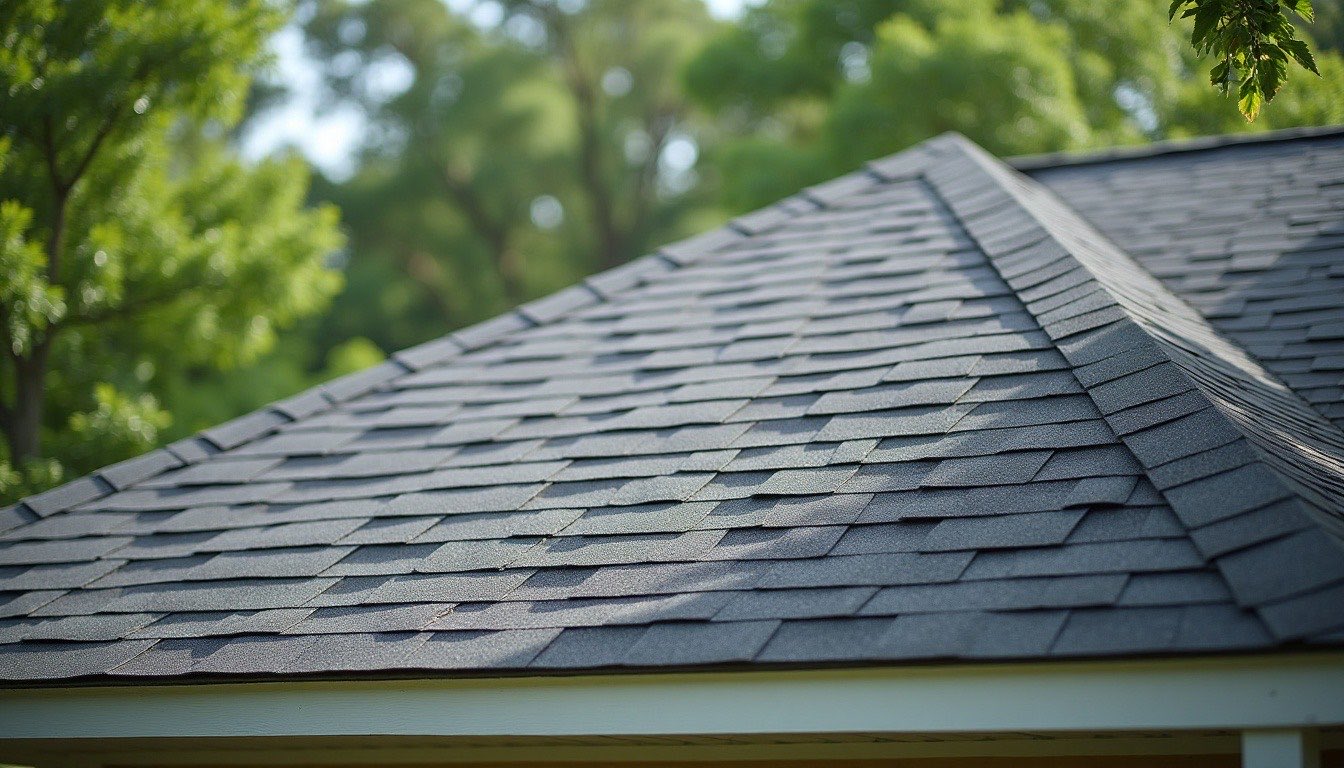
Decide which change matters first
If the concern appeared after a weather event, separate the sequence from the cause. You can say you noticed the condition afterward without claiming the event created it. The page on preparing for a post-weather assessment explains that distinction and the questions it raises. Mention a second issue separately if it does not share the same timeline.
An active indoor drip also deserves a clear description of the room and current condition. Our notes on questions behind an unexplained indoor drip can help you prepare. Do not climb onto the roof or enter a difficult space to fill gaps in the message. If you cannot see the relevant section safely, say that and ask how it can be assessed.
Expect an explanation of the findings
A useful assessment discussion identifies what was examined, what was observed, and what remains uncertain. Ask how the proposed repair follows from those findings. If more investigation is needed before a scope can be defined, ask what that next step involves. An unexplained recommendation leaves you with fewer grounds for deciding what to authorize than a description that makes its limits clear.
Tell the person arranging the assessment about access restrictions or coordination with another occupant. If there is known earlier work in the same area, mention the date and any records available. Do not assume the earlier repair caused the current concern or that it rules out a new one. Background is useful when it stays distinct from the evidence that the assessment can establish.
Compare proposed work on the same basis
Ask whether the scope concerns a single detail, part of a roof section, or a broader area. Which materials are proposed, and what is included in preparing the area? Clarify removal and disposal where relevant. If a larger scope is recommended, request the reason it is needed and how it relates to the symptom you described in the request.
If you receive different options, compare their extent and limits before comparing totals. Ask how any additional discovery would be explained before more work is agreed. Interior finishes and other property tasks should be discussed separately rather than assumed to be included in roofing work. Keeping these boundaries visible makes a free quote easier to review and gives another decision-maker a clearer description to consider.
Services we bring out here
Put the main question in the message
The request form contains a name field, phone field, optional address field, and a message box. Use the message to identify Juliette and the affected part of the building. Include the approximate timeline and your main question, such as whether a returning problem needs further investigation or why a particular area looks different. The initial request does not require roof measurements or a chosen repair method. Ask for a free quote with an assessment that can establish the relevant scope. Appointments confirmed after your request is reviewed. Once arrangements are confirmed, use the findings and the written description of proposed work to decide what the roof needs, keeping uncertainties visible until they have been resolved for your own property.