
Roofing Help for Payne Homes
Payne is listed among the communities for roofing requests on this site. Begin a request for your property by identifying the place and the part of the building involved. A new ceiling mark, an active drip, or a detail you noticed outdoors each gives the conversation a starting point. You do not need to decide which repair method fits before asking for an assessment.
If you are unsure what the roof is made of or when it was installed, leave those details open. Describe what you can see safely and give an approximate date for the first observation. The useful question is what the condition of this roof shows, rather than what roofs in a community are assumed to need. Your message can be short while still making that question clear.
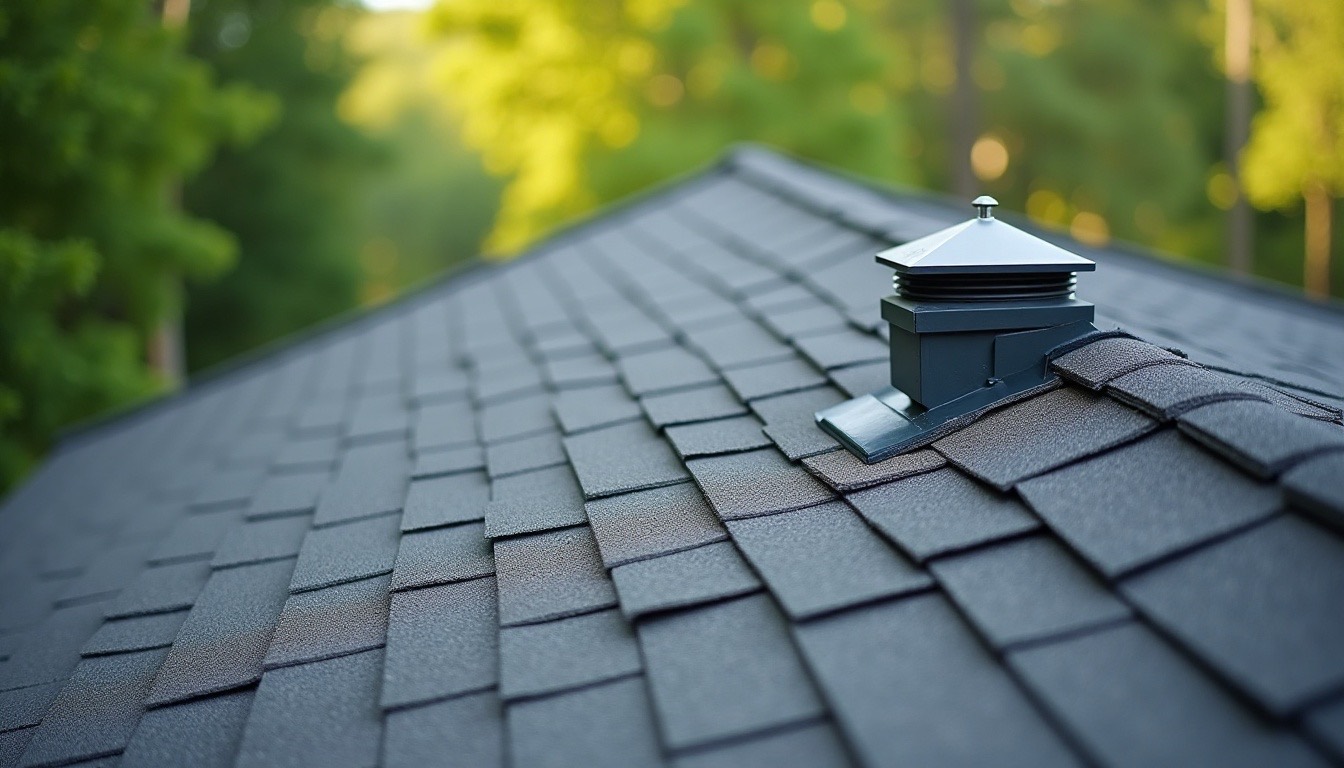
Say what is happening now
For an indoor concern, state whether the area is currently wet, has changed appearance, or is an older mark you want checked. Separate what you see now from earlier history. The guide to explaining a newly noticed water mark gives more detail about preparing the timeline. If more than one room is involved, name each rather than treating them as a single location.
When the situation feels urgent, say why in the first sentence. The page on setting out an immediate roofing concern explains how to make that request without assuming attendance has been confirmed. Use appropriate emergency assistance for a threat to people and follow official safety instructions. A form submission begins a review process and should not be treated as an arrival promise or an immediate safety response.
Give the roof section a simple name
You can identify the main roof, a porch, an addition, or an area near a chimney without naming every component. If a previous repair was in that section, mention it with its approximate date. If someone has suggested a cause, label it as a suggestion rather than something you have confirmed. That keeps the message useful even if the assessment reaches a different explanation.
Ask what can be examined safely and which findings would support a recommendation. If access limits the assessment, ask what remains uncertain and whether another step is needed. You should be able to understand what was found before deciding on work. There is no need to climb onto the roof to produce the kind of detail that an assessment is meant to establish.
Review the repair area and its limits
Before authorizing a repair, ask where the work starts and ends, which materials are included, and what the repair is intended to correct. If a proposal includes a wider area than you expected, ask for the reason. If it addresses only one detail, ask what that leaves outside the scope. Those questions help make the written description something you can review rather than a broad label.
Discuss preparation, removal where relevant, disposal, and access. Ask how any change to the agreed work would be explained if further conditions become apparent. If a room has damaged finishes, raise them separately so you know whether another arrangement is needed. A free quote should give you a usable description of the area and extent of work, with enough clarity to compare options on the same basis.
Services we bring out here
Make the first request practical
Provide your name and phone, an optional address, and a message identifying Payne and the roof problem. Add the date you first noticed the concern, any earlier work you know about, and an access issue if one needs to be discussed. You do not need to send an image, obtain roof measurements, or select a product for the request to be useful. Ask for the next assessment step and a free quote tied to the findings. Appointments confirmed after your request is reviewed. Keep the later decision about repairs separate from this first contact: confirm arrangements, discuss what has been established, and review the proposed scope. That leaves space for the questions about your own roof to be answered before work is agreed.